

From Collaboration to Experience: How edcom Members Brought Students Together in Breda through a Blended Intensive Programme
From 26 to 30 October 2026, Breda University of Applied Sciences (BUas) in the Netherlands hosted the on-campus week of the Erasmus+ Blended Intensive Programme (BIP) “Urban Innovation & Startup Incubation”, bringing together students from the Netherlands, Greece and Turkey.
Combining online learning with an intensive week of in-person activities, the three-week programme brought together students from Breda University of Applied Sciences, Panteion University of Social and Political Sciences in Greece, and TOBB University of Economics and Technology in Turkey.
Through interactive workshops, visits to startup incubators and collaborative projects, participants explored how innovative ideas develop into real-world solutions, while gaining new perspectives from working alongside students from different countries and academic backgrounds.
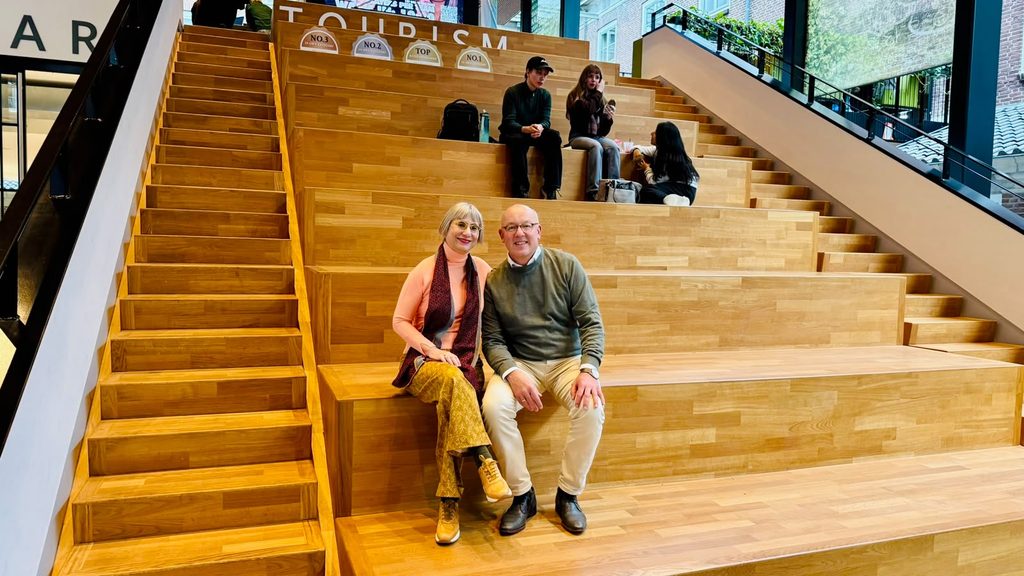
Behind this initiative was a collaboration made possible through the edcom network, connecting Arnoud Versluis, edcom Co-President and lecturer at BUas, and Betty Tsakarestou, edcom Board Member from Panteion University. Their cooperation helped transform a professional connection into a meaningful international learning opportunity.


Beyond the Classroom: Discovering the Startup Ecosystem Firsthand
For participating students, the programme was much more than an academic exchange. It offered an opportunity to discover entrepreneurial ecosystems firsthand and understand how creativity, research and collaboration can contribute to innovation.
During their week in the Netherlands, students explored BUas Innovation Square, an environment bringing together different urban innovation labs, including game labs, living labs and AI and makers labs. There, they encountered approaches connecting research-based innovation, emerging technologies and creative experimentation with sustainability and societal impact.
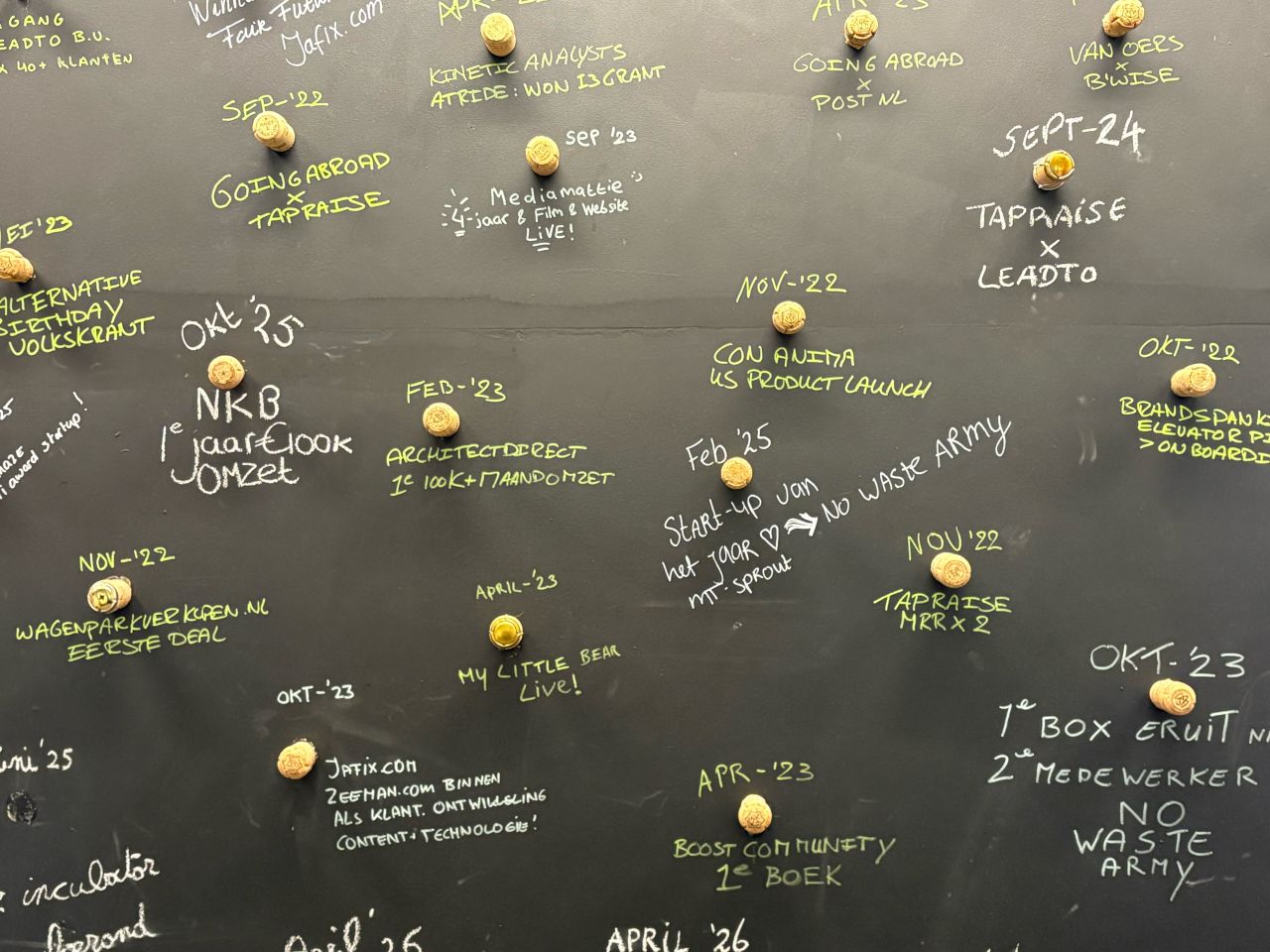
The programme also included visits to B’WISE and B’GAME in Breda and YES!Delft, allowing students to discover how startup incubators support entrepreneurial ideas and help turn them into viable projects.
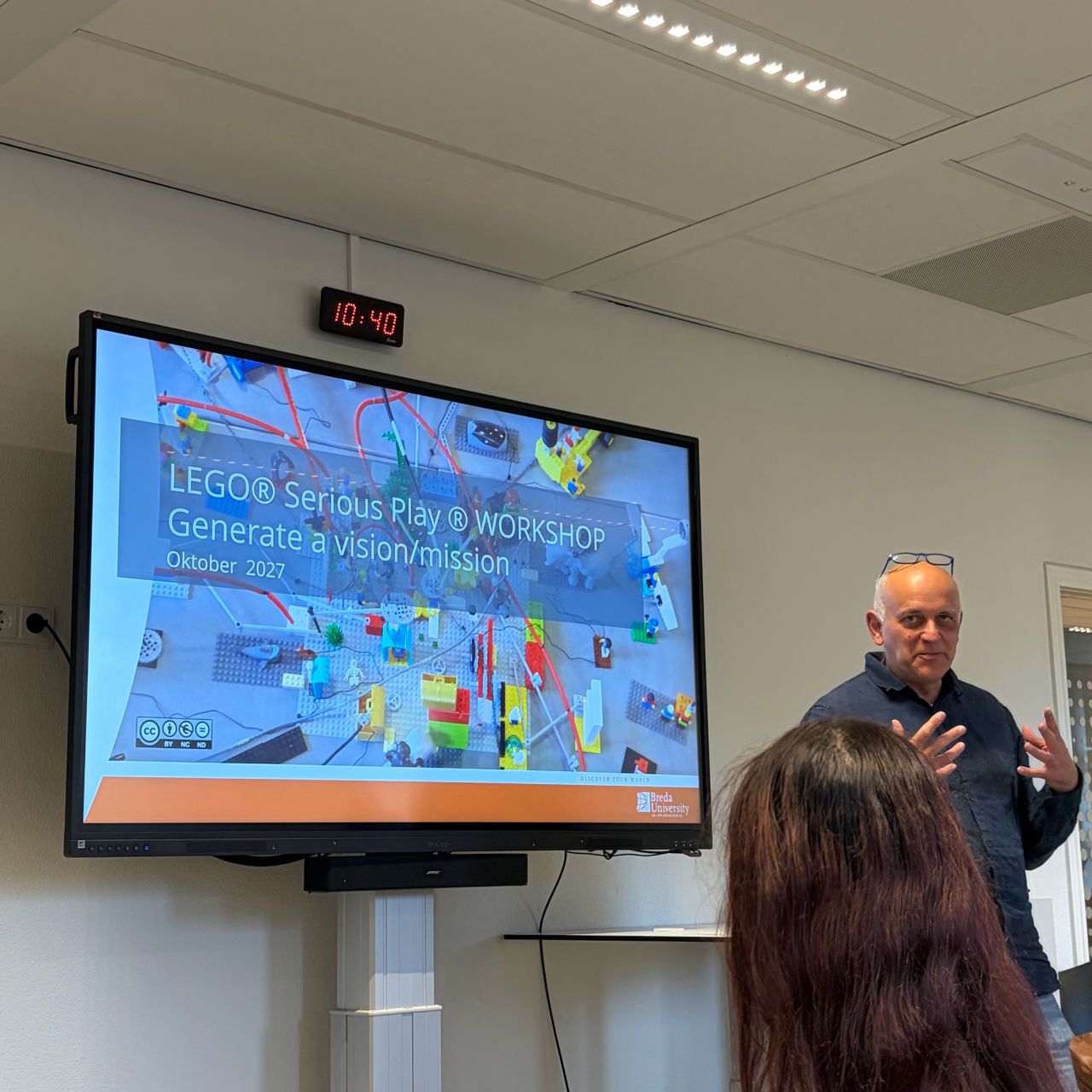
Alongside these visits, participants took part in practical workshops addressing customer research, intercultural identities and LEGO Serious Play, encouraging them to approach challenges creatively and collaboratively.
One of the most significant outcomes of the experience was the opportunity to translate learning into concrete ideas. Working in international, multidisciplinary teams, students from the three participating universities co-designed three prototypes for an upcoming gaming hub and incubator in Breda.
This practical challenge allowed students to move beyond theoretical discussions and experience the process of developing innovative solutions together, combining different perspectives, skills and approaches.
Learning Across Borders: The Value of International Collaboration
Beyond discovering the world of startup incubation, the BIP offered students an equally valuable opportunity: learning how to collaborate across cultures.
Working in international teams encouraged participants to exchange ideas, challenge assumptions and explore how different academic and cultural backgrounds can contribute to innovative solutions.
The students’ reflections reveal how these interactions became one of the most memorable dimensions of the programme. For some, it was their first Erasmus experience or their first opportunity to travel abroad for an academic project. For others, it represented a chance to explore an unfamiliar professional field, develop new interests and discover different approaches to creativity and entrepreneurship.
Throughout the programme, students discovered that innovation is not only about developing new ideas, but also about bringing together different ways of thinking, communicating and solving problems.
By the end of the experience, they had gained not only a deeper understanding of entrepreneurial ecosystems, but also new perspectives, professional curiosity and international connections that could continue to shape their academic and professional journeys.
The Power of the edcom Network: Turning Connections into Opportunities
The Breda BIP also demonstrates how collaboration within the edcom network can translate into concrete educational opportunities.
The partnership developed thanks to the initiative of Arnoud Versluis, who connected Betty Tsakarestou with his BUas colleagues Hans de Nie and Gerben Beijneveld. Their commitment and collaborative approach were instrumental in developing the programme and bringing together the participating institutions.
Reflecting on the experience, Betty highlighted the enthusiasm, commitment and co-creative mindset of the colleagues involved in preparing the programme over several months.
The initiative shows how communication students can become active contributors to innovation, working with interdisciplinary teams to shape ideas with potential societal impact.
As Betty Tsakarestou, edcom Board Member, reflected:
“Edcom is getting more and more a powerful connector and communications accelerator for international impact making innovative initiatives for co-shaping future solutions.”
Arnoud Versluis, edcom Co-President, also highlighted the wider significance of the collaboration:
“This is precisely what the Edcom network stands for: high-quality educational programs and professionals connecting with one another. The core idea is to bring people together, fostering meaningful collaborations where we can share experiences, learn from other cultures, and gain new insights. It was a great pleasure for me to facilitate this connection!”
Above all, the Breda experience shows what can happen when connections between educators become opportunities for students: new skills, new perspectives, meaningful international relationships and the confidence to contribute to innovative solutions beyond the classroom.